
 By
By 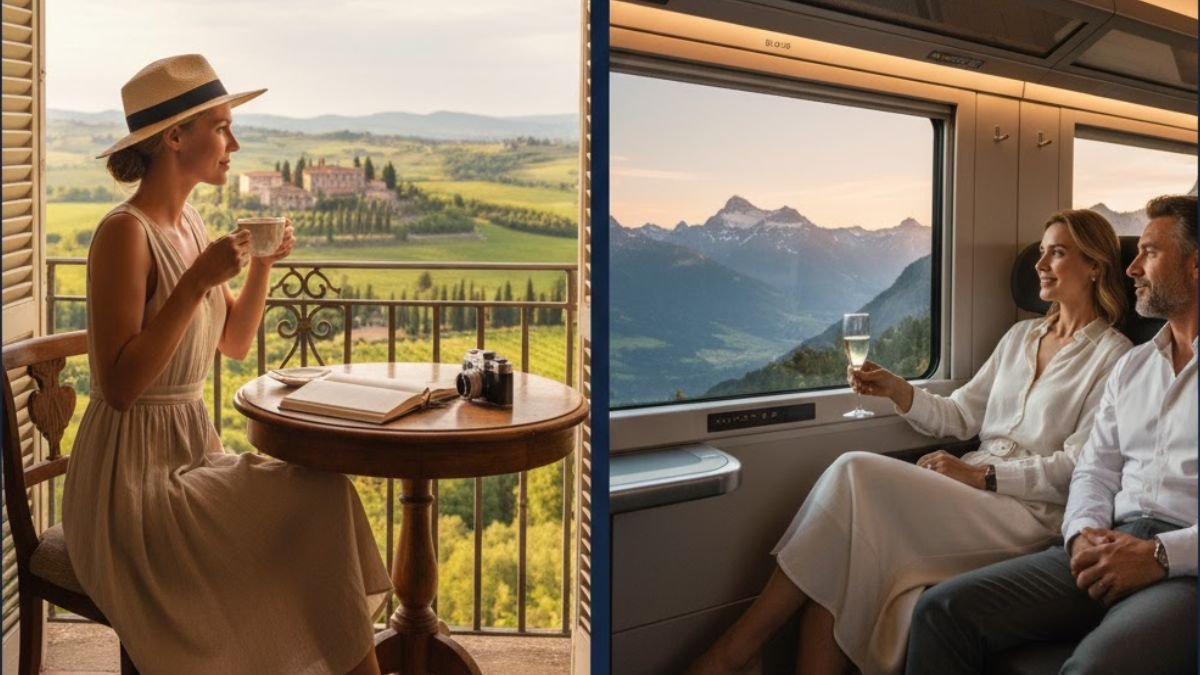
Think about having all the money in the world. You could buy the fastest car, the biggest house, or a private jet. For a long time, that’s what people thought luxury was. It was about showing off the most expensive and rare things you owned.
But something is changing. More and more, people are starting to see luxury in a new way. It’s less about what you own and more about how you feel. After you have the money to buy anything, what do you really want? Many are discovering that the ultimate prize isn’t a thing at all. It’s a feeling of peace, calm, and true happiness.
So, if you could have anything, what would you look for? What does real luxury mean when you can already afford everything? Let’s explore how the idea of a rich life is changing, and where people are truly finding their peace.
If you ask someone from fifty years ago what luxury is, they might describe a fancy sports car or a diamond necklace. These things are still desired, but the definition has grown. Today, luxury is often an experience or a feeling that money makes possible, but can’t automatically buy.
Modern luxury is about quality over quantity. It’s not about having ten watches; it’s about having one perfect watch that tells a story. It’s not about a huge, empty mansion; it’s about a cozy, beautifully designed home that feels like a sanctuary. It’s the freedom to choose how you spend your time. For example, the luxury of turning off your phone and spending an afternoon reading a book without any interruptions. The new luxury is personal. It’s less about what others see and more about what you feel on the inside.
Think about the richest person you know. They might have a lot of money, but do they have a lot of free time? In our busy world, where everyone is rushing, having unscheduled time is a rare treasure. When money is no problem, the one thing you can’t get more of is time.
This is why the wealthiest people often try to buy back their time. They hire assistants to run errands. They use private planes not just for status, but to avoid long airport waits. They protect their calendars fiercely. The goal is to clear away all the noisy, boring, or stressful tasks. This creates empty space in their lives. And in that space, they can find peace, be with family, or work on a passion project. Having control over your own schedule is a powerful form of modern luxury.
A giant house with many rooms can feel impressive. But it can also feel empty and lonely. It requires a lot of work to maintain and can be filled with things that need to be cleaned and managed. This constant management creates stress, not peace.
Now, imagine a smaller, perfectly designed home. Every item in it has a purpose or brings joy. The design is simple, with lots of natural light and open space. There is no clutter. This kind of environment has a direct effect on your mind. It feels calm and safe. It’s a place where you can truly rest and think clearly. This is why minimalist and well-designed spaces are becoming the new standard for luxury living. The luxury isn’t in the square footage; it’s in the feeling of tranquility it provides.
Even though simplicity is popular, luxury brands are still thriving. But the reason people buy them is changing. It’s less about the flashy logo that everyone can see and more about the story and the quality behind the product.
People invest in a beautifully made bag from a heritage brand because they appreciate the craftsmanship. They know it was made by skilled artists and will last for decades. It’s not a disposable item. This connection to history, art, and durability feels meaningful. In a world full of cheap, mass-produced goods, owning something made with care and attention to detail is a quiet luxury. It’s a personal reward, not a public announcement.
You can buy a gym membership anywhere. But the new luxury in health is hyper-personalized care. This means having a team of experts—from doctors to nutritionists to therapists—who focus only on you. They don’t just treat sickness; they work to optimize your well-being.
This could include getting a full analysis of your DNA to understand what food and exercise is best for your body. It might involve staying at a private wellness retreat that creates a program just for you. It’s about having a mental health coach who helps you manage stress. This deep, personalized attention to your physical and mental health is perhaps the greatest luxury. Because when your body and mind feel their best, you have the foundation for a truly peaceful life.
Of course, staying in a five-star hotel is wonderful. But modern luxury travel is about the transformation you experience, not just the pillow service. It’s about unique, immersive experiences that change how you see the world.
This could mean a private guided tour of a historical site before it opens to the public. It could be a spiritual journey to a remote monastery to learn meditation from a master. It might be an adventurous trip to the Arctic to see the northern lights in complete solitude. These experiences create lasting memories and personal growth. They disconnect you from your daily routine and connect you with something larger. That feeling of wonder and expanded perspective is a profound source of peace.
It might seem strange, but in a high-tech world, the luxury is often in the ability to disconnect. However, technology can also be used to create peace when it is designed to serve you, not distract you.
Think of a smart home system that perfectly controls the lighting, temperature, and music to create a calming atmosphere with one command. Imagine having a digital assistant that perfectly manages your emails and schedule, freeing your mind from clutter. The luxury is seamless, quiet technology that works in the background to make your life easier and more serene. It’s about using tech to build a bubble of calm, not to break it.
Having immense wealth can sometimes feel isolating. Many people who have everything discover that true contentment doesn’t come from getting more, but from giving more. Using your resources to make a positive impact provides a deep and lasting sense of purpose.
This could involve funding a scholarship for students in need, supporting a local animal shelter, or starting a foundation to solve an environmental problem. This kind of work connects you to your community and to a larger cause. The peace that comes from this is different from the peace of a quiet room. It’s a warm, fulfilling feeling that you have made a difference in the world. It adds meaning to your life, which is the ultimate luxury.
The journey of luxury is evolving from the outside to the inside. It started with owning rare objects to show our status. It is moving towards cultivating rare feelings to enrich our lives. When money is no object, the most valuable things are not for sale in a store. They are feelings like time, health, peace, and purpose.
These are the new currencies of a rich life. They require intention, not just investment. They ask the question not of “What can I buy?” but of “What kind of life do I want to build?” The answer, for many, is a life filled with quiet moments, meaningful experiences, and a deep, unshakeable sense of peace.
So, what does real luxury mean to you—is it comfort, peace, or something else that money can’t buy?
1. What makes something truly luxurious in today’s world?
Today, true luxury is defined by personal value and experience, not just price. It’s something that saves you time, brings you genuine joy, improves your well-being, or is made with exceptional craftsmanship and a meaningful story.
2. How has technology changed the luxury lifestyle?
Technology allows for ultimate personalization and convenience, from smart homes that create perfect environments to apps that manage your life. But it also offers the luxury of disconnecting, using tools to filter out digital noise and protect your peace.
3. Is minimalism the new form of luxury?
For many, yes. Minimalism focuses on quality over quantity, creating clutter-free, calm, and intentional spaces. The luxury lies in the feeling of tranquility and the freedom from owning and managing too many things.
4. Why are experiences considered more luxurious than products now?
Experiences create lasting memories and personal growth, while products can lose their novelty. A unique, transformative experience stays with you forever and often contributes more directly to your happiness and sense of fulfillment.
5. What is ‘quiet luxury’?
Quiet luxury is an understated approach to wealth. It avoids obvious logos and flashy displays. Instead, it focuses on impeccable quality, fine materials, and exquisite craftsmanship that are appreciated by the owner, not necessarily seen by others.
6. How can I add a sense of luxury to my life without spending a lot?
Focus on small, quality experiences. This could be buying one perfect peach from a farmer’s market, taking a long, uninterrupted bath, creating a cozy reading nook in your home, or spending a full day phone-free with loved ones.
7. What is the connection between luxury and well-being?
Modern luxury is deeply tied to well-being. It’s about having the resources for personalized healthcare, mental health support, healthy organic food, and fitness routines that are tailored specifically to your body’s needs for optimal performance and peace.
8. Are luxury brands still relevant if luxury is changing?
Yes, but their role is shifting. People are drawn to heritage brands for their history, artistry, and durability—buying fewer, but better items that will last a lifetime and hold personal significance.
9. How do very wealthy people find peace?
They often find peace by using their wealth to buy time, privacy, and security. This includes creating serene personal environments, funding personalized health regimes, traveling for transformative experiences, and finding purpose through philanthropy.
10. Can a luxury lifestyle be sustainable?
Absolutely. The new definition of luxury heavily includes sustainability. This means investing in high-quality, long-lasting products, supporting brands with ethical practices, and having experiences that respect and protect the natural environment and local cultures.