
 By
By 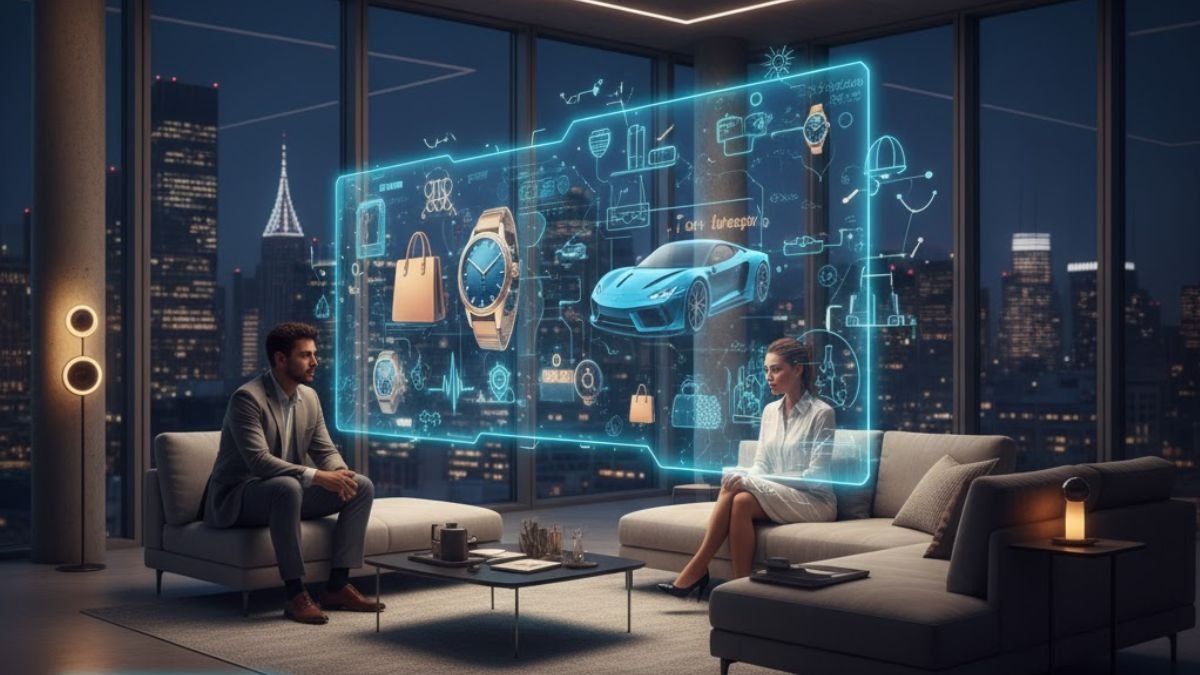
What does it mean to live a luxurious life? If you asked someone this question fifty years ago, they might have described a big mansion, a fancy car, and expensive jewelry. These were the clear signs of success and wealth. But today, the answer is changing. For many people, the greatest luxury isn’t about owning more things. It’s about having more time. It’s about peace of mind, unique experiences, and personal well-being.
This shift in thinking is fascinating. It’s not just about fashion or money anymore. It’s about our minds and what we truly value. The idea of luxury is deeply connected to our psychology—our feelings, our desires, and our need for happiness and meaning. It’s less about showing off and more about feeling fulfilled.
So, why has our idea of luxury changed so much? What is it about these new forms of luxury that feels so good to us? And in a world that often feels busy and noisy, what are we really looking for when we seek a “luxurious” life? Let’s explore the hidden reasons behind our desires.
Today, luxury is a much more personal idea. It’s no longer a one-size-fits-all concept. For some, it might still be a designer handbag. But for many others, true luxury is the ability to disconnect from work emails on a Friday evening. It’s having a whole weekend with no plans. It’s the feeling of a quiet house after the kids have gone to bed.
Modern luxury is often about experiences and feelings rather than physical objects. Think about the joy of a long, uninterrupted conversation with a good friend. Or the satisfaction of eating a home-cooked meal made with fresh, healthy ingredients. For some, the ultimate luxury is turning off all notifications on their phone and just being present in the moment.
This change shows a shift in what we value most. As our lives become faster and more digital, we start to cherish the things that are scarce. For many of us, time, attention, and peace are becoming the most valuable currencies. Owning a diamond watch is nice, but having the time to relax without stress can feel even better. Modern luxury is whatever gives us a deep sense of comfort, joy, and personal satisfaction.
Have you ever felt a little rush of happiness after treating yourself to something special? There’s a real psychological reason for that. Our brains release a chemical called dopamine when we experience something pleasurable. This includes the thrill of getting something new and desirable. This “dopamine hit” makes us feel happy and rewarded.
But the feeling isn’t just chemical. It’s also social and emotional. For centuries, owning luxurious items has been a way to signal our status and success to others. On a deep level, it can make us feel accepted, admired, and like we belong to a certain group. It’s a way of telling the world, “I have good taste,” or “I have achieved something.”
However, this good feeling from buying things can fade quickly. The newness wears off, and the excitement disappears. This is why we often start wanting the next new thing. Understanding this cycle helps us see why the joy of physical luxury items is often temporary. It’s a quick high, but not always a lasting happiness.
In a time when “less is more” and minimalism is popular, why do iconic luxury brands still hold so much power? The reason goes far beyond the product itself. A luxury brand is a powerful storyteller. When you buy from a brand with a long history, you aren’t just buying a bag or a pair of shoes. You are buying a piece of a story—a legacy of craftsmanship, tradition, and art.
These brands also represent consistency and quality. In a world where many products are made to break quickly, a well-made luxury item promises to last. It becomes a timeless piece, something you can rely on. This reliability builds deep trust and emotional connection.
Furthermore, these brands act as a social shortcut. A recognizable logo or design instantly communicates a shared set of values and an identity. It tells people you appreciate quality and heritage. So, even in the age of simplicity, people love these brands not for showing off, but for the feeling of quality, history, and belonging they provide.
Luxury is moving out of the showroom and into our daily routines. It’s becoming less about what we own and more about how we live. This new form of luxury is quiet and personal. It’s woven into the fabric of our everyday lives.
Think about your morning routine. For some, luxury is having the time to sip a perfectly brewed coffee in silence before the day begins. For others, it’s the ability to pay for a service that saves them time, like a grocery delivery or a house cleaner. This “time luxury” is becoming one of the most sought-after status symbols.
Another big change is the focus on health. Investing in your well-being is now a major sign of luxury. This could mean paying for a premium gym membership, seeing a functional medicine doctor, or buying organic, nutrient-rich food. Taking care of your mental health through therapy, meditation apps, or digital detoxes is also part of this new luxury lifestyle. It’s all about investing in yourself.
Often, the real value of a luxurious item isn’t in the materials it’s made from, but in the story it carries. A simple object can become incredibly precious because of the memories and emotions attached to it. A handcrafted pottery mug from a local artist isn’t just a mug. It represents a connection to the creator, a support for small business, and the story of how you found it.
This is the difference between cost and value. The cost is the price tag. The value is the personal meaning. A mass-produced watch might tell time just as well as a luxury one, but the luxury watch might have been a gift for a major life achievement. Every time you look at it, you don’t just see the time; you remember that achievement and feel proud.
This is why experiences are often more luxurious than things. A vacation creates a collection of stories, sensations, and memories that become a part of you. A material item might get old, but a great memory becomes more valuable over time. The story is what truly makes it luxurious.
In the past, luxury was often seen as selfish or wasteful. But a new wave of “conscious luxury” is changing that. Today, many people want their purchases to align with their values. They ask questions like: Was this made ethically? Are the materials sustainable? Does this company give back to the community?
Luxury is now linked to responsibility. Buying a beautiful item made from recycled materials by artisans who are paid fairly feels better than buying a similar item made in a harmful way. This type of consumption allows people to “vote with their dollars” for a better world.
This shift also includes knowledge. There is a luxury in knowing the origin of your food, understanding how your clothes were made, and supporting innovations that help the planet. So, yes, luxury can be a force for good. It can drive positive change by encouraging higher standards of production, sustainability, and ethical practices.
If we look past the shiny surfaces, the biggest need that luxury fulfills is the need for meaning and connection. We are all searching for ways to feel that our lives matter. Luxury, in its many forms, offers a way to find that meaning.
Sometimes, it provides a sense of identity. The things we buy and the experiences we choose help us tell the world—and ourselves—who we are. They are pieces of our personal story. Other times, luxury fulfills our need for growth and self-improvement. Investing in a course, a retreat, or a wellness program is a way of saying, “I am worth investing in.”
At its core, the deepest desire is for a life that feels rich, not just in money, but in experience, connection, and purpose. True luxury, therefore, is anything that makes us feel truly alive, connected to others, and at peace with ourselves.
The world of luxury is no longer just about expensive objects. It has evolved into something much more personal and psychological. It’s about the scarce resources in our modern world: time, peace, health, and meaningful experiences. Understanding the psychology behind it helps us see that our desire for luxury is really a desire for a happier, more fulfilled life.
It’s a search for what truly matters to us as individuals. The next time you think about what luxury means to you, look beyond the price tag. Ask yourself what truly makes you feel content, peaceful, and joyful.
So, we’d love to know: What does real luxury mean to you—is it comfort, peace, or something money can’t buy?
1. What makes something truly luxurious in today’s world?
Today, true luxury is defined by personal value, not just a high price. It’s anything that provides a deep sense of well-being, saves you precious time, offers a unique experience, or aligns with your personal values like sustainability.
2. How has technology changed the luxury lifestyle?
Technology has created new luxuries like convenience and connection. Smart home devices offer the luxury of a seamless life, while wellness tech provides personalized health data. However, the luxury of disconnecting from technology is also becoming increasingly valuable.
3. Is minimalism the new form of luxury?
For many, yes. Minimalism focuses on owning fewer, but higher-quality and more meaningful items. The luxury lies in the curated simplicity, the reduced clutter, and the mental peace that comes from a less chaotic living space and life.
4. Why are experiences considered more luxurious than things now?
Experiences create lasting memories and personal stories that become a part of your identity. Unlike material items that can fade or go out of style, a great experience often grows in value in your mind over time.
5. How can I incorporate luxury into my life without spending a lot of money?
Focus on the luxuries of time and presence. This could mean creating a morning ritual you love, having a device-free evening, cooking a special meal, or spending quality, uninterrupted time with loved ones. Luxury is about the quality of the moment.
6. What is “quiet luxury”?
Quiet luxury is an understated approach to wealth. It avoids loud logos and focuses on exceptional quality, perfect fit, and timeless design. It’s about subtlety and knowing that true luxury doesn’t need to announce itself.
7. Why do people buy luxury goods during an economic crisis?
This is known as the “lipstick effect.” During uncertain times, people tend to buy small, affordable luxury items to boost their mood and maintain a sense of normalcy and self-esteem when bigger purchases are out of reach.
8. Is luxury only for the wealthy?
Not anymore. The modern definition of luxury is democratized. While the wealthy might buy a private jet, a person with an average income might find luxury in a weekly cleaning service that gives them back their weekend. It’s all about what is scarce and valuable to the individual.
9. How does social media influence our idea of luxury?
Social media creates new “aspirational” luxuries by showcasing lifestyles and products. It can fuel desire, but it has also broadened the definition, popularizing luxuries like travel, wellness retreats, and aesthetic home decor.
10. What is the future of luxury?
The future of luxury is personal, experiential, and responsible. We will see a continued focus on hyper-personalized products and services, unique once-in-a-lifetime experiences, and a strong emphasis on sustainability, ethical production, and brand transparency.