
 By
By 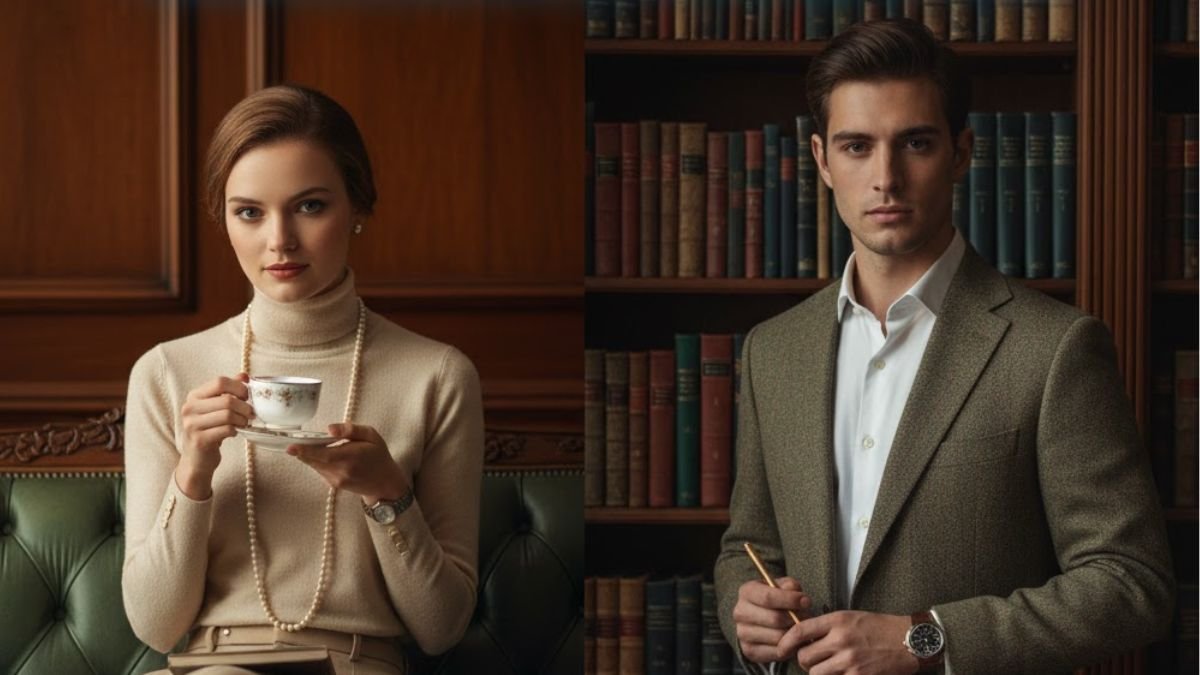
There’s a quiet shift happening in how people think about luxury. For a while, it seemed like luxury was all about being flashy. It was about the newest, most expensive, and most eye-catching items. But today, more and more people are finding beauty in something different. They are drawn to a style that whispers rather than shouts. This style is timeless, elegant, and built to last. It’s not about showing off wealth, but about a deeper sense of quality and grace.
This return to classic elegance is often called “old money” fashion. But it’s more than just clothes. It’s a whole way of thinking about what we own and how we live. It connects to a desire for things that have meaning, history, and a quiet confidence. It’s about choosing a well-made wool coat that will last for decades over a trendy jacket that will be out of style next season.
So, what is driving this change? Why are people, especially younger generations, falling in love with a style that feels both new and deeply traditional? Let’s explore how this idea of quiet, lasting luxury is making a major comeback in our modern world.
When you hear “old money fashion,” you might picture grand mansions or classic movies. In simple terms, it refers to a style that values subtlety and quality above all else. It’s not about loud logos or bright colors that scream for attention. Instead, it focuses on perfect fit, excellent fabrics, and simple, elegant designs. The goal is to look put-together and refined, not rich.
This style is built on pieces that never go out of fashion. Think of a crisp white shirt, a tailored blazer, a quality pair of leather loafers, or a simple pearl necklace. These items are the foundation of a wardrobe that works year after year. The “old money” aesthetic is less about following fast-moving trends and more about building a personal uniform of reliable, beautiful pieces.
It’s also about an attitude. This fashion choice says, “I am confident enough that I don’t need to prove anything with my clothes.” The wealth is implied, not stated. It’s a quiet signal to those who understand, rather than a loud announcement to everyone. In a world full of noise, this quiet confidence is becoming incredibly appealing.
Our lives are busier and more chaotic than ever. We are constantly bombarded with advertisements, social media updates, and new trends. In the middle of all this noise, simplicity feels like a relief. Quiet luxury offers a sense of calm and order. Choosing a simple, well-made bag over one covered in logos can feel like a peaceful decision.
There’s also a growing awareness of the problems with “fast fashion.” People are thinking more about how their purchases affect the planet. The “buy less, but better” idea is at the heart of old money style. Investing in one high-quality sweater that you will wear for years is smarter and more sustainable than buying ten cheap ones that will fall apart.
Social media has played a role too. Platforms like TikTok and Instagram have introduced this classic style to a new audience. Young people are discovering the appeal of timeless pieces that their grandparents might have worn. It feels fresh because it’s a rejection of the constant churn of what’s “in.” In a way, going classic has become the new rebellion.
Luxury is no longer just about a expensive handbag or a fancy car. For many people, real luxury is about experiences and time. It’s the luxury of having a free afternoon to read a book. It’s the luxury of eating a home-cooked meal with family without rushing. It’s the luxury of silence and space.
This shift means that the things we buy are often meant to support that calmer, more meaningful lifestyle. A beautifully made, comfortable cashmere sweater is a luxury because it feels wonderful every time you wear it. A sturdy, classic leather briefcase is a luxury because it makes you feel prepared and professional every day. The object itself is not the point; the feeling it gives you is.
We are starting to see that true luxury is anything that adds real value to our daily routine. It removes stress instead of adding to it. A timeless, mix-and-match wardrobe is luxurious because it makes getting dressed easy and stress-free. You always have something appropriate and elegant to wear, which saves you time and mental energy.
Building this kind of wardrobe is not about buying everything at once. It’s about slowly collecting pieces that are versatile and high-quality. The focus is on neutral colors like navy, beige, white, grey, and black. These colors are easy to mix and match, and they always look chic.
For both men and women, certain items are essential. A well-fitting blazer is a cornerstone. It can dress up a pair of jeans or complete a suit. For women, a simple silk blouse, a straight-cut skirt, and quality trench coat are foundational. For men, pressed chino pants, oxford cloth button-down shirts, and a good wool sweater are key.
Footwear is all about classic styles. Think penny loafers, elegant ballet flats, or clean leather sneakers. The jewelry is minimal—perhaps a simple watch, a delicate gold chain, or pearl studs. The handbags are structured and logo-free, often in high-quality leather. The entire look is coherent, polished, and effortless.
You might wonder, if this style is so quiet, why are luxury brands still involved? The answer is heritage and craftsmanship. Many classic luxury brands have built their reputations over decades, even centuries, on exceptional quality. An “old money” shopper might choose a Brunello Cucinelli sweater not for the label, but because it is famously well-made from the finest materials.
The love for these brands in this context is not for the logo, but for the story and the skill behind the item. It’s about knowing that a coat was hand-stitched by skilled artisans or that the fabric is uniquely durable and beautiful. This deep appreciation for quality is what connects the old money aesthetic to these historic houses.
However, the modern consumer is smart. They are not just buying a name. They are buying into a promise of longevity. They would rather save up for one truly excellent item from a respected brand than spend the same amount on several trendy, lower-quality items from the same designer. The value is in the item’s life, not just its name.
Absolutely. This style is ultimately a mindset, not a bank statement. The core idea is quality over quantity, and that can be practiced at any budget. It’s about making thoughtful choices, not expensive ones. You don’t need to buy from high-end designers to achieve this look.
The first step is to look for the hallmarks of quality within your price range. Look for natural fabrics like cotton, wool, and silk instead of polyester. Pay attention to details like stitching—tight, even stitches are a sign of a well-made garment. Focus on fit; a affordable shirt that has been tailored to fit you perfectly will look more expensive than a ill-fitting designer one.
Thrifting and consignment stores can be treasure troves for finding high-quality, classic pieces at a fraction of the cost. You can often find timeless wool blazers, leather bags, and silk scarves that have stood the test of time. Building a timeless wardrobe is a marathon, not a sprint. It’s about slowly replacing fast-fashion items with better versions as you can.
The old money fashion trend is just one visible part of a bigger shift in values. People are craving authenticity in all areas of their lives. They want real food, real experiences, and real connections. This fashion style reflects that desire for what is genuine and lasting.
It promotes a less wasteful way of living. By choosing to invest in things that last, we create less waste and consume more responsibly. This mindset often extends to other areas—like eating at a local restaurant instead of a chain, or preferring a vacation in a quiet, natural place over a crowded tourist spot.
This lifestyle values discretion, education, and good manners. It’s about cultivating a rich inner life and personal interests. The clothes are just the outer expression of that inner world. They represent a person who values history, art, and quiet confidence over external validation and noisy displays.
The comeback of old money fashion and elegance is a sign of our times. In a world that often feels loud and temporary, people are finding comfort in things that are quiet and permanent. This style is not about going back in time, but about taking the best of the past—quality, elegance, subtlety—and bringing it into our modern lives.
It reminds us that true style isn’t bought with a single shopping trip. It is built carefully over time with intention and care. It shows that the most powerful statement you can make is often the one you don’t shout.
What does your ideal lifestyle look like? Does it include more quiet, timeless moments and fewer, but better, possessions?
1. What is the difference between “old money” and “new money” style?
“Old money” style is subtle and avoids obvious logos, focusing on timeless fit and quality. “New money” style is often more flashy, using visible branding and trendy pieces to display wealth openly.
2. Is quiet luxury the same as minimalism?
They are similar but not the same. Minimalism focuses on owning very few items and a stark aesthetic. Quiet luxury is about owning high-quality, classic items that may not be minimal in number, but are always elegant and discreet.
3. How can I make my home have an “old money” feel?
Focus on quality furniture, classic designs, and neutral color palettes. Incorporate natural materials like wood and stone, and add personal touches with books, art, and family photos rather than trendy decor.
4. Can young people pull off the old money aesthetic?
Yes, absolutely. The style is ageless. For young people, it often looks fresh and sophisticated. The key is to focus on fit and classic pieces like a good blazer or a simple dress.
5. What are some affordable brands that fit this style?
Brands like J.Crew, Ralph Lauren (especially on sale), Everlane, and Massimo Dutti often offer classic, well-made pieces with a focus on natural fabrics and timeless designs.
6. Why are simple clothes often more expensive?
Simple, high-quality clothes cost more because they use superior natural materials (like cashmere, silk, and fine cotton) and involve more skilled labor, like precise tailoring, which ensures they last for years.
7. Is this style only for certain seasons?
No, it’s a year-round style. The principles remain the same: quality fabrics and classic cuts. You simply layer them differently—a linen shirt in summer, a wool sweater in winter.
8. How do I know if a piece is truly good quality?
Check the fabric label (natural fibers are best), examine the stitching (it should be tight and even), and look at the details like buttons and zippers (they should feel substantial and be securely attached).
9. Does this trend mean luxury logos are going away?
Not necessarily, but it shows a growing market for discreet luxury. Many people still love logos, but there is a strong and growing audience that prefers items without them.
10. What is the most important part of achieving this look?
The most important part is fit. Even the most expensive, classic item will look wrong if it doesn’t fit you well. Tailoring your clothes to your body is the secret to a polished appearance.