
 By
By 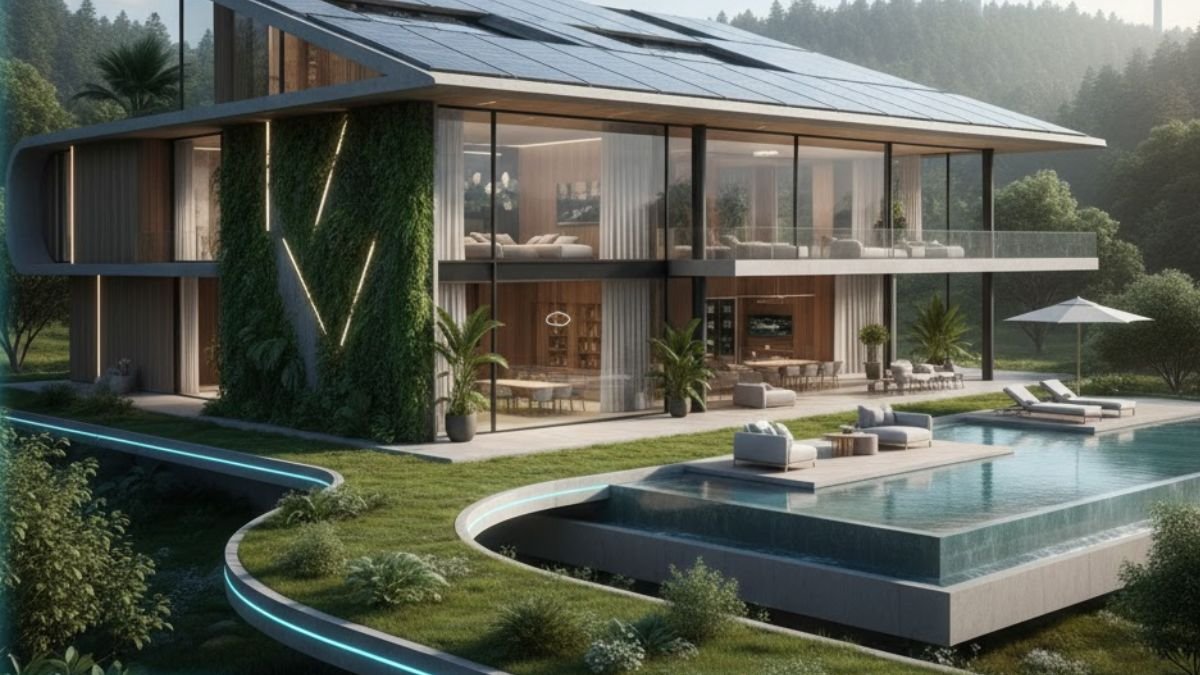
Luxury used to be easy to define. It was about the biggest house, the fastest car, or the most expensive handbag. It was all about what you could own, and everyone could see it. It was a symbol of success that you could touch and show off.
But something is changing. Today, the idea of luxury is getting a quiet update. For many people, true luxury isn’t about having more stuff. It’s about something deeper. It’s about feeling good, living well, and making choices that are good for both you and the world around you. The brightest, most expensive things are starting to share the spotlight with quieter, more meaningful experiences.
So, what does it mean to live a life of luxury now? How can something be both luxurious and kind to the planet? If the old rules are fading, what new ones are taking their place? Let’s explore how luxury is no longer just about what we own, but about how we live and feel.
If you ask someone what luxury means to them, you might get a surprising answer. For some, it’s not a product at all. It’s the luxury of time—having a free afternoon with nothing to do. For others, it’s the luxury of health—feeling energetic and strong. Or it could be the luxury of space—a quiet, uncluttered home that feels like a peaceful retreat.
Modern luxury is becoming personal. It’s less about impressing others and more about pleasing yourself. It’s about what brings you real joy and comfort. This shift means that a homemade meal with fresh ingredients from a local farm can feel more luxurious than a rushed dinner at a fancy restaurant. An hour of quiet reading can feel more valuable than a new gadget.
This new luxury is also connected to our values. People are starting to feel that something can’t be truly luxurious if it harms the environment or exploits people. The new luxury feels good because it is good. It’s a feeling that comes from knowing your choices are thoughtful, well-made, and responsible.
It seems like a contradiction. We are talking about simplicity and meaning, so why are iconic luxury brands still so popular? The reason is that these brands are also changing. They are no longer just selling a product; they are selling a promise of quality, heritage, and now, responsibility.
People love these brands because they represent durability. A well-made bag that lasts for 20 years is more sustainable than a cheap one you throw away every season. In the age of simplicity, buying one perfect thing that you will cherish for a long time is the goal. Luxury brands are adapting to this by focusing on timeless designs, not just trendy ones.
These brands also tell a story. When a company has a long history of craftsmanship, it adds soul to the product. Today, they are adding a new chapter to that story—one about protecting the environment and supporting communities. When a brand commits to using recycled materials or ethical practices, it makes the customer feel part of a positive change.
So, loving a luxury brand today isn’t just about the logo. It’s about trusting that the item was made with care, built to last, and created in a way that aligns with a more conscious way of living.
You can see this new luxury all around you, not in glittering showrooms, but in our daily choices. It’s in the food we eat, the clothes we wear, and the way we design our homes. Luxury is moving from the extraordinary to the everyday.
Think about food. Choosing organic vegetables from a farmer you know, or buying coffee that is certified fair trade, feels luxurious. You are getting higher quality, and you are supporting a system you believe in. The experience of eating becomes richer and more satisfying.
In our homes, luxury is about comfort and well-being. It’s about clean air, natural light, and non-toxic materials. People are choosing furniture made from sustainably sourced wood and paints that don’t release harmful chemicals. The luxury is in creating a healthy sanctuary for you and your family.
Even in our routines, luxury has found a place. Taking time for a long walk, disconnecting from your phone for an evening, or having a calm morning routine are now seen as precious luxuries. It’s the shift from owning luxurious things to enjoying luxurious moments every single day.
Absolutely. In fact, the most forward-thinking luxury homes are now leading the way in sustainability. The goal is to create a beautiful, comfortable space that works in harmony with nature, not against it. This is the heart of sustainable luxury living.
Imagine a house that is not just built, but thoughtfully crafted. It uses materials like reclaimed wood or bamboo flooring. It has large windows to let in sunlight, reducing the need for electric lights during the day. The insulation is so good that it needs very little energy to stay warm in winter and cool in summer. This is not a rustic cabin; it can be a stunning, modern, and incredibly comfortable home.
Technology makes this possible. Smart systems can manage energy use, turning off lights and adjusting the temperature when no one is home. Water-saving fixtures and appliances help conserve resources without you having to think about it. The luxury is in the seamless, effortless efficiency.
The result is a home that is not only beautiful and peaceful but also smart and responsible. It saves you money on bills and gives you the peace of mind that comes from living lightly on the planet. This feeling of comfort and conscience is the ultimate modern luxury.
More and more, yes. While beautiful, well-made objects will always have a place, the most cherished luxuries are increasingly becoming experiences. People are valuing memories over materials. This is often called the “experience economy,” and it fits perfectly with sustainable values.
Think about what you remember most from the past year. Is it a item you bought, or is it a trip you took, a concert you attended, or a special class you learned from? An experience engages all your senses and becomes a part of your story. It doesn’t clutter your home, but it enriches your life.
These experiences are also becoming more mindful. Luxury travel might mean staying at an eco-lodge that supports wildlife conservation. It could be a wellness retreat that focuses on yoga and meditation instead of just fancy cocktails. It’s about coming back feeling restored and inspired, not just tanned.
This doesn’t mean things are unimportant. It means we are being more selective. We might buy fewer clothes, but invest in a cooking class that allows us to create amazing experiences around the dinner table for years to come. The focus is on living a full life, not just a full closet.
Technology is the invisible butler of the modern luxury home. It’s not about having the most gadgets with blinking lights. It’s about technology that works quietly in the background to make your life easier, safer, and more efficient. The real luxury is convenience and peace of mind.
Smart home systems are a great example. With a simple voice command or a tap on your phone, you can control the lighting, music, and temperature in every room. You can see who is at your door from anywhere in the world. This technology saves you time and removes small daily stresses.
Technology also helps us live more sustainably. Energy monitors can show you exactly how much power you are using, helping you waste less. Smart sprinklers can water your garden only when necessary, conserving water. High-tech appliances use minimal energy to do their jobs perfectly.
The best luxury technology is the kind you don’t even notice. It seamlessly integrates into your life, giving you more freedom to focus on what you truly enjoy. It empowers you to live comfortably while also being more responsible with your resources.
You don’t need to build a new high-tech home from scratch to embrace this lifestyle. It starts with small, mindful changes that add up to a big difference in how you live and feel. Sustainable luxury is about making better choices, not perfect ones.
Start by looking at the items you use every day. Could you replace something with a higher quality, longer-lasting version? Instead of buying five cheap t-shirts, could you invest in one or two made from organic cotton or bamboo that feels amazing and lasts for years? This is the “buy less, but buy better” philosophy.
Next, think about your daily rituals. Can you create a more luxurious morning or evening routine? This could mean taking ten minutes to sit with a proper cup of tea instead of rushing, or using beautifully made, natural skincare products. The luxury is in the attention you give yourself.
Finally, bring nature indoors. Fill your home with plants that clean the air. Use natural materials like wood, stone, and linen in your decor. Choose candles made from soy or beeswax. These small touches make your space feel more alive, calm, and truly luxurious. It’s about creating an environment that supports your well-being.
The future of luxury is bright, but not in a flashy way. It’s a gentle, steady light. It’s a shift from having the most to living our best. Sustainable luxury living is the beautiful point where our desire for comfort meets our need for a healthy planet.
It proves that we don’t have to give up what feels good to do what is right. In fact, the two are becoming the same thing. A peaceful mind, a healthy body, a beautiful home that cares for the environment, and meaningful experiences with loved ones—this is the new wealth.
So, we end with a simple question: What does real luxury mean to you today? Is it comfort, peace, or something that money can’t buy?
1. What makes something truly luxurious in today’s world?
Today, true luxury combines high quality, beautiful design, and a positive impact. It’s about items that are well-made to last a long time, and experiences that are deeply meaningful. The feeling that your choice is ethical and sustainable adds a new layer of value and satisfaction.
2. How has technology changed the luxury lifestyle?
Technology has made luxury more about convenience and personalization. Smart homes offer effortless control over your environment, while sustainable tech helps you live comfortably while reducing your energy use and waste. It’s less about flashy gadgets and more about seamless living.
3. Is minimalism the new form of luxury?
For many people, yes. Minimalism focuses on owning only what you truly need and love, which creates a sense of space, order, and calm. This freedom from clutter and excess is now seen as a precious luxury, allowing you to focus on what really matters in life.
4. Why are sustainable products often more expensive?
Sustainable products usually cost more because they pay fair wages to workers, use higher-quality materials that are sourced responsibly, and invest in eco-friendly production methods. You are paying for better craftsmanship, ethical practices, and a product that is designed to last, not be replaced.
5. Can luxury and sustainability really work together?
Yes, they are becoming perfect partners. Luxury is about the best possible experience, and sustainability ensures that experience is healthy for you and the planet. From eco-friendly mansions to ethically made fashion, the two concepts are merging to create a smarter, more conscious way to live well.
6. What is the difference between “cheap” and “affordable” luxury?
“Cheap” often means low quality and a short lifespan. “Affordable luxury” refers to well-designed, durable items or special experiences that are accessible without being overly expensive. It’s about finding high value and a touch of indulgence in your budget, without compromising on quality.
7. How can I identify a truly sustainable brand?
Look beyond the marketing. A truly sustainable brand is transparent about its supply chain, uses certified eco-friendly materials (like organic cotton or recycled metals), and has clear goals for reducing its environmental impact. They often have detailed information about their ethical practices on their website.
8. Are luxury experiences better for the environment than products?
Not always, but they can be. An experience like a long-haul flight has a big carbon footprint. However, many luxury experiences, like local wellness retreats, art classes, or dining at farm-to-table restaurants, create lasting memories with less material waste than physical goods, especially if those goods are produced unsustainably.
9. What is “slow luxury”?
“Slow luxury” is a mindset. It’s the opposite of fast fashion and disposable culture. It means taking time to find, appreciate, and invest in things that are made carefully and built to last. It values story, craftsmanship, and timeless quality over fleeting trends.
10. How do I start living a more sustainably luxurious life?
Begin with one small change. Choose to buy one high-quality item instead of several cheap ones. Create a peaceful corner in your home with a plant and a comfortable chair. Support a local business that uses organic ingredients. Small, intentional steps will gradually transform your lifestyle.