
 By
By 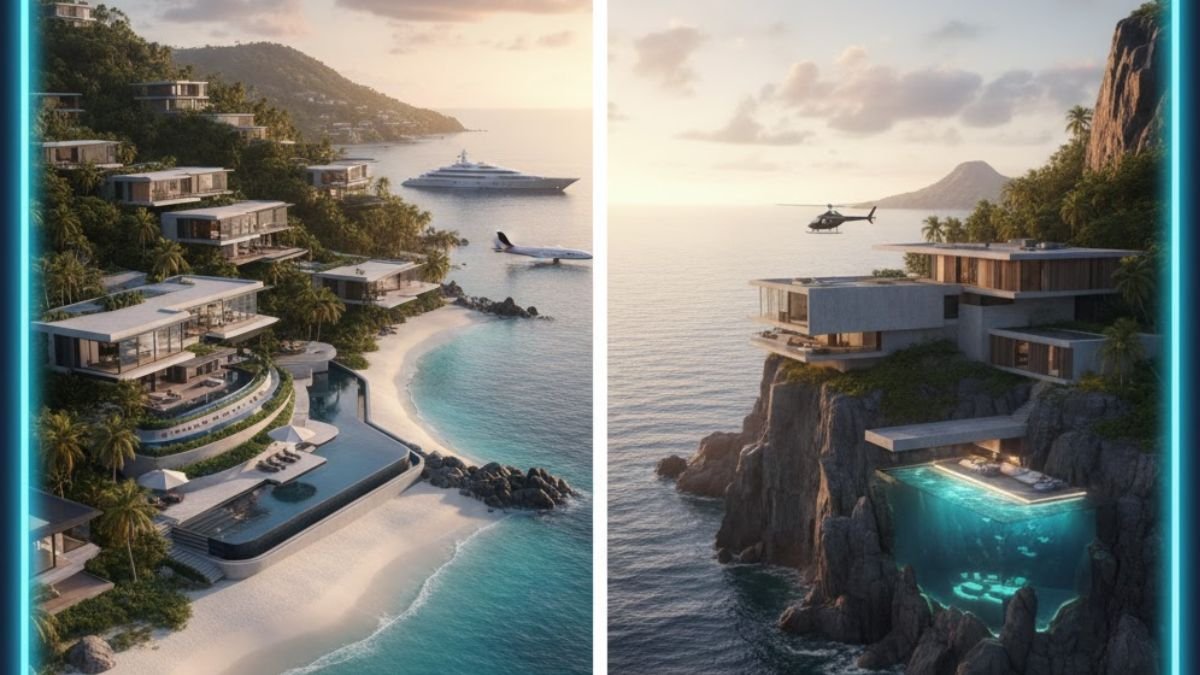
For a long time, the idea of luxury was simple. It was about owning expensive things—a shiny car, a big diamond, or a designer handbag. It was about showing the world that you had made it. But something is changing. Today, for many people, luxury isn’t about what you can show off. It’s about what you can experience. It’s about feelings like peace, freedom, and having control over your time. It’s less about the price tag and more about personal value.
This shift is fascinating. We are starting to see luxury not as a product, but as a personal experience. For one person, it might mean a month-long digital detox where they don’t look at a single screen. For another, it could be the ability to work from a beach in Bali. It’s becoming more personal, more about what brings genuine joy and comfort to an individual’s life, away from the noise of the world.
So, if the ultimate modern luxury isn’t a thing you can hold in your hand, what could it be? What represents the peak of this new desire for privacy, space, and exclusive experience? Perhaps the answer lies in the ultimate escape: owning your own piece of the planet. What does it really mean to own a place where no one can set foot without your permission?
If we think about it, our lives are more connected than ever. Notifications buzz constantly, social media demands our attention, and the line between work and home is often blurry. In a world that is always “on,” the rarest and most valuable thing is the ability to be “off.” Modern luxury is about reclaiming your time and attention. It’s the luxury of disconnecting.
It’s choosing a quiet morning walk over a crowded brunch. It’s the feeling of having a whole afternoon with nothing you have to do. It’s about health and wellness, knowing you have access to the best care and food that truly nourishes your body. For some, it means hiring a personal concierge to handle life’s errands, buying back precious hours. The new luxury is deeply personal. It’s not about what society tells you is valuable; it’s about what you, personally, value the most.
You might wonder, if luxury is now about experiences and simplicity, why are classic luxury brands still so popular? The reason is that their meaning is changing. A luxury bag is no longer just a bag. It is a symbol of a certain taste, of craftsmanship, and of a story that the owner connects with. People aren’t just buying a product; they are buying into a legacy of quality and art.
In a world full of mass-produced items, a hand-stitched leather bag or a mechanically precise watch stands out. It represents something built to last, not something to be thrown away next season. Furthermore, these brands have adapted. They are no longer just selling clothes or accessories; they are selling a lifestyle. They might host exclusive travel experiences or create limited-edition art pieces, blending the old idea of luxury goods with the new idea of luxury experiences.
The change in luxury is not just for the super-rich. We see it in our daily choices. People are investing more in high-quality, organic groceries because the luxury is eating healthy. They are subscribing to meditation apps because the luxury is a calm mind. They are paying for a cleaner or a gardener because the luxury is free time to spend with family.
This everyday luxury is about making conscious choices that improve your quality of life. It’s choosing to pay more for a direct flight to save time and avoid stress. It’s buying a very comfortable mattress because quality sleep is priceless. It’s the small upgrades we make to our daily routines that reduce friction and increase joy. Luxury has become democratized; it’s no longer an exclusive club but a set of choices available to anyone who prioritizes their well-being.
If privacy and exclusive experiences are the new gold standards, then one thing stands out as the ultimate symbol: the private island. Think about it. What could be more private than a piece of land surrounded by water, where you control every single detail? This isn’t just a big house with a fence. This is complete and total separation from the rest of the world.
A private island is the final word in getting away from it all. It offers silence that is so deep you can hear your own thoughts. It offers security, knowing that you and your loved ones are in a protected environment. It is a blank canvas where you can build your perfect home, your personal paradise, without any compromises or nosy neighbors. In a crowded and noisy world, owning your own quiet corner of the earth is perhaps the most powerful statement of modern luxury.
The owners of the most famous private islands are often a who’s who of the ultra-wealthy, from tech billionaires and Hollywood stars to legacy families and successful entrepreneurs. These individuals have the resources to turn a dream of absolute privacy into a reality. They are people for whom buying a yacht or a jet is almost common, and an island represents the next, and final, frontier.
For example, the founder of Virgin Group, Richard Branson, owns Necker Island in the Caribbean. It’s famous for its stunning beauty and for hosting celebrity friends. Similarly, Larry Page, a co-founder of Google, is known to have purchased an island in Fiji. These owners often see these islands not just as homes, but as personal sanctuaries and sometimes as eco-friendly projects to preserve nature.
The possibilities are as vast as the ocean. For some, it’s about creating the ultimate family retreat, a place for generations to gather without any outside distractions. For others, it’s a project of passion. They might use the island to restore the natural ecosystem, creating a sanctuary for endangered wildlife. It’s a chance to be a custodian of nature.
Many owners build incredible, self-sufficient homes. They install solar panels and desalination plants to create fresh water from the sea. They might have a private landing strip for their plane, a helipad, and a dock for their yacht. It becomes a totally self-contained world. For some, it’s also a status symbol—a place to entertain business partners or friends in the most exclusive setting imaginable.
This is an interesting question. On one hand, the primary appeal is solitude. It is about the freedom to be entirely yourself without an audience. It’s the promise of being unreachable when you want to be. On the other hand, owning a famous island does make a statement. It says that you have achieved a level of success where you can literally own a part of the map.
It’s a blend of both. The statement it makes is not just “I am rich,” but “I value my privacy and peace above all else, and I have the means to protect it.” It is a statement that prioritizes personal well-being and control over public display. In many ways, it is the opposite of showing off; it is the ultimate act of retreating.
The process is much more complex than buying a regular house. It’s not something you can easily find on a typical real estate website. There are specialized brokers who deal exclusively with high-value, unique properties like islands. The first step is always location—deciding on a country and a climate that suits you, from the warm waters of the Bahamas to the wild beauty of Canada.
Then comes the real work. You have to navigate the laws of a foreign country. Can a foreigner even own land there? What are the building restrictions? You have to think about practicalities like how to get supplies and fresh water to the island. You need to hire architects and builders who can work in a remote location. It’s a huge project that requires a lot of patience, money, and planning. It’s not just a purchase; it’s a long-term commitment.
The dream is beautiful, but the reality comes with unique challenges. The very thing that makes it private—its remoteness—also makes everything difficult. Getting construction materials, furniture, and even food to the island can be a massive and expensive operation. If a pipe bursts or the power goes out, you can’t just call the local plumber; you have to fly a specialist in.
Weather is a major factor. An island is exposed to storms, hurricanes, and rising sea levels. Maintenance is constant, with saltwater and wind causing wear and tear on buildings. There are also environmental responsibilities. Owners have to be very careful about how they manage waste and protect the surrounding marine life. The dream of a perfect escape requires a lot of hard work to maintain.
The journey of luxury from flashy products to peaceful experiences tells us a lot about what we value as a society today. We are searching for meaning, comfort, and space in a crowded world. The desire to own a private island is the ultimate expression of this search. It represents the summit of a new kind of luxury—one built not on what others see, but on what you feel: total freedom, unparalleled privacy, and a deep connection to a place you can call entirely your own.
It makes you wonder, if you had the chance to create your own perfect escape, what would it look like? What is the one thing you would want to get away from, and what is the one feeling you would want to find?
1. What makes something truly luxurious in today’s world?
Today, true luxury is defined by experiences and personal value rather than just high cost. It is anything that saves you time, reduces your stress, provides deep personal satisfaction, or offers exclusive access that is not available to everyone.
2. How has technology changed the luxury lifestyle?
Technology has created new luxuries like complete home automation, personalized health monitoring, and virtual private assistants. At the same time, it has made the ability to disconnect from technology a luxury in itself.
3. Is minimalism the new form of luxury?
For many, yes. Minimalism, with its focus on owning fewer but higher-quality items and creating clutter-free, peaceful spaces, is seen as a luxury because it promotes mental clarity and reduces the stress of modern life.
4. Why are experiences considered more luxurious than things?
Experiences create lasting memories and personal growth, which often bring more lasting happiness than material possessions. In a world saturated with products, a unique and personal experience feels more rare and valuable.
5. What is “quiet luxury”?
Quiet luxury is a style of wealth that avoids obvious logos and flashy displays. It focuses on exceptional quality, perfect fit, and subtle elegance that is only recognizable to those who have a keen eye for craftsmanship.
6. How do people define luxury for themselves now?
People now define luxury based on their personal needs and values. For a busy parent, luxury might be a night alone at a hotel. For an entrepreneur, it could be a week with no meetings. It’s a highly individualized concept.
7. Can comfort be a form of luxury?
Absolutely. In a fast-paced and often uncomfortable world, deep comfort—whether from a perfectly designed chair, high-thread-count sheets, or a stress-free environment—is a highly sought-after luxury.
8. What role does privacy play in modern luxury?
Privacy is a central pillar of modern luxury. As public lives become more exposed through social media, the ability to control your personal space and information has become incredibly valuable and desired.
9. Are luxury brands still relevant in an experience-driven economy?
Yes, but their role is evolving. They remain relevant by offering not just products, but by crafting stories, ensuring unparalleled quality, and providing exclusive experiences that are tied to their brand identity.
10. What does “investment in wellness” mean in luxury terms?
It means spending money on things that directly improve your physical and mental health. This includes things like personalized fitness trainers, retreats focused on meditation, advanced health screenings, and nutritionists who create custom meal plans.