
 By
By 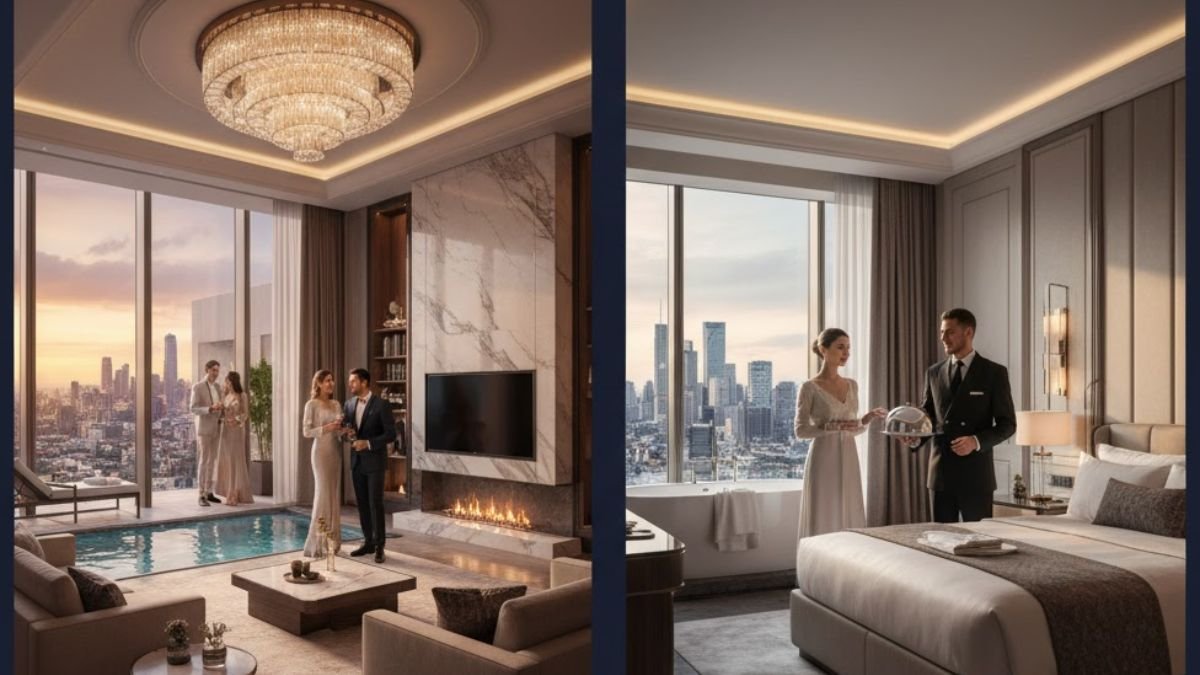
We often hear the term “seven-star hotel.” It sounds like something from a dream. You might picture golden walls and chandeliers everywhere. But what does it actually feel like to stay in one? The experience is about more than just fancy decorations. It’s a new kind of luxury, focused entirely on you.
Luxury has changed a lot over the years. It used to be about showing off expensive things. Now, for many people, it’s about personal comfort and unique experiences. It’s the feeling of peace, of having your needs met before you even ask. This new luxury is connected to our daily lives because it’s about improving how we feel every day.
In this article, we’ll explore what modern luxury looks like. We will see how it has evolved and why people value it differently now. We’ll go beyond the shiny surface to understand the real meaning of comfort and service. So, what is it that makes an experience truly luxurious in today’s world?
Modern luxury isn’t just about the price tag. It’s not only about owning a big, flashy car or a diamond watch. Today, luxury is more about experiences and feelings. It’s about the joy of having time to read a book without stress. It’s about eating a meal made with fresh ingredients from a local farm.
Think about what feels valuable to you. For some, it’s a perfectly quiet afternoon. For others, it’s a vacation where everything is taken care of. This shift means luxury is now personal. It’s defined by what brings you joy and comfort, not by what society says is expensive. The focus has moved from ‘having’ to ‘being’—being happy, being relaxed, being understood.
This new idea of luxury is more accessible in different ways. You don’t always need to be super-rich to experience it. Sometimes, luxury is choosing to buy one very well-made item that will last for years, instead of ten cheap ones. It’s about quality and meaning. So, when we talk about a seven-star hotel, we’re really talking about the peak of this personalized, experience-based luxury.
In a world that often talks about simple living and minimalism, luxury brands are still very popular. This might seem confusing. But there’s a simple reason. Luxury brands are not just about the product anymore. They are about a promise. A promise of quality, craftsmanship, and a story that you become part of.
When someone buys a bag from a famous brand, they are not just buying something to carry their things. They are buying a piece of art that took a craftsman many hours to make. They are connecting to a history of quality. In a fast-paced world where things are made quickly and thrown away, a well-made item that lasts feels very special.
These brands also offer a consistent experience. You know what to expect. This feeling of reliability is a form of comfort. It’s like visiting a friend you trust completely. In the age of simplicity, people are choosing to own fewer things, but they want those things to be the best. They want items that have a purpose and bring real value to their lives. Luxury brands, when chosen thoughtfully, fit perfectly into this modern desire.
Luxury is no longer something separate from our daily routine. It is weaving itself into the small moments of our lives. It’s the feeling you get from using a soft, high-quality towel after a shower. It’s the taste of your favorite coffee, brewed perfectly at home. It’s the comfort of a well-organized, clutter-free space.
Companies are noticing this change. They are creating products and services that add small touches of luxury to your day. For example, a grocery delivery service that brings the freshest food right to your door saves you time and stress. That saved time is a new form of luxury. It’s the luxury of convenience.
Technology also plays a big role. A smart home device that adjusts the lighting and temperature to your preference is a modern luxury. It’s not about showing off; it’s about creating a personal environment that makes you feel good. This shows that luxury is becoming less about outward status and more about inward satisfaction. It’s about curating a life that feels rich in comfort and personal meaning.
The heart of a seven-star hotel is its service. This is where the idea of modern luxury comes to life. From the moment you arrive, you are not just a customer; you are a guest. The staff knows your name. They remember that you like an extra pillow or that you prefer tea over coffee. This attention to detail makes you feel seen and valued.
The goal is to anticipate your needs. This means they think about what you might want before you do. If it’s raining, an umbrella appears at your side. If you look tired, a suggestion for a relaxing spa treatment is quietly offered. This level of care is not intrusive. It’s gentle and thoughtful. It’s designed to remove any small annoyance from your stay.
This teaches us a powerful lesson about service. True luxury service is not about being servile; it’s about being observant and empathetic. It’s about giving people the space to relax completely, knowing that everything is handled. This idea can be applied anywhere—in business, in friendships, in family life. It’s about paying close attention to the people around you and making their lives a little easier.
This is a big question. In the past, the object was the main event. The luxury was in owning a rare painting or a fast sports car. Today, the experience often holds more value. A memory of a wonderful trip can feel more luxurious than a new piece of jewelry. The experience is something that lives inside you forever.
Think about a concert by your favorite musician. The ticket might be expensive, but the feeling of being there, hearing the music live, and sharing that moment with others is priceless. That experience becomes a part of your story. An object can be lost or broken, but a cherished memory cannot.
Of course, objects still matter. A beautifully crafted watch can be a reminder of a special achievement. But now, the best luxury items are often those that enable great experiences. A comfortable, reliable car enables road trip adventures. A high-quality camera helps you capture beautiful moments. The line between object and experience is blurring. The most meaningful luxury combines both—a physical item that helps create a lasting memory.
Loud displays of wealth are becoming less common. Today, the new symbol of status is often quiet and invisible. It’s the comfort of a peaceful home in a calm neighborhood. It’s the ability to control your own time and not be always busy. This quiet comfort says more about a person’s life than a flashy accessory ever could.
This change reflects a shift in values. People are starting to prize well-being over wealth-signaling. The most desirable thing you can have now is peace of mind. It’s the luxury of a good night’s sleep, of having time for your hobbies, and of being present with your family. This kind of comfort is hard to achieve, which makes it so valuable.
In a noisy, fast world, silence and space are rare. A hotel that offers perfectly soundproofed rooms is offering a true luxury. A car that provides a smooth, quiet ride is more impressive than a loud one. This trend shows that what we truly crave is not more stimulation, but less. We want a sanctuary, a place to recharge. Quiet comfort is the ultimate proof that you have created a life of peace for yourself.
Technology used to feel cold and impersonal. But now, it is one of the biggest tools for creating personalized luxury. Think about the music and movie streaming services you use. They learn what you like and suggest new things just for you. This personalized curation is a form of modern luxury.
In a smart hotel room, the technology disappears into the background to serve you. The curtains open with a touch of a button. The room remembers your preferred temperature. You can control the lights, music, and TV from a single device. This isn’t technology for show; it’s technology for comfort. It makes your environment adapt to you, not the other way around.
This personalization extends to shopping, too. Online services can recommend clothes or furniture that match your taste perfectly. They save you time and help you discover things you’ll genuinely love. Technology, when used well, removes friction from our lives. It takes care of the small tasks so we can focus on what matters to us. This seamless, helpful support is a deeply personal and highly valued luxury.
Modern luxury places a high value on unique design. It’s not about following trends that everyone else is following. It’s about finding a style that is authentic to you. People are looking for items and spaces that have character and a point of view. They want things that tell a story.
In a seven-star hotel, you won’t find the same generic furniture you see everywhere else. You will find custom-made pieces, art from local artists, and architecture that reflects the culture of the place. This creates a sense of being somewhere special and unique. It makes the experience memorable. The design is there to inspire you and make you feel something.
This love for unique design shows that people are tired of mass-produced sameness. They crave authenticity. They want a bag that isn’t carried by everyone on the street. They want a home filled with objects that have history and soul. Unique design offers a way to express your individuality. It turns your surroundings into a canvas that reflects who you are, which is perhaps the greatest luxury of all.
The idea of luxury has truly transformed. It has moved from what we own to how we feel. A stay in a seven-star hotel is the perfect example of this new luxury. It shows us that the highest form of comfort is personalized, quiet, and focused on creating meaningful experiences. It’s about service that feels like magic and design that inspires.
This new luxury is not locked away for a select few. Its principles are something we can all learn from. We can bring more attention to detail into our own lives, be more thoughtful in our service to others, and choose quality and authenticity over quantity and trends. Luxury, in its truest modern sense, is about crafting a life that feels rich in joy, peace, and connection.
So, what does real luxury mean to you? Is it the comfort of a perfectly organized home, the peace of a quiet morning, or is it something that money can’t buy?
1. What makes something truly luxurious in today’s world?
Today, true luxury is defined by personal value and experience. It’s less about the price and more about quality, craftsmanship, and how an item or experience makes you feel—whether it’s peace, joy, or a sense of being uniquely understood.
2. How has technology changed the luxury lifestyle?
Technology has made luxury more personal and convenient. Smart devices create customized environments, while AI and data help services anticipate your needs, offering a seamless and frictionless experience that saves time and reduces stress.
3. Is minimalism the new form of luxury?
For many, yes. Minimalism focuses on owning fewer, but higher-quality items that bring real joy and utility. This intentional living creates mental space and calm, which is a highly valued form of modern luxury.
4. Why are experiences often considered more luxurious than things?
Experiences create lasting memories and become a part of your personal story. While physical objects can fade, the joy from a fantastic trip or a special event continues to provide happiness long after it’s over.
5. What is “quiet luxury”?
Quiet luxury is an understated, non-flashy approach to wealth. It focuses on exceptional quality, craftsmanship, and comfort that are recognizable only to those who know, valuing subtlety and refinement over obvious branding.
6. How can I add touches of luxury to my everyday life?
You can add luxury by focusing on small, quality upgrades: investing in supremely comfortable bedding, enjoying a specialty coffee, creating a calming evening ritual, or ensuring your home is a tidy, peaceful sanctuary.
7. Do luxury brands still matter if luxury is about experiences?
Yes, but their role is changing. People now value luxury brands for their heritage, quality, and the timeless story they tell, often choosing them as part of a curated, long-lasting collection rather than for temporary status.
8. What is the difference between expensive and luxurious?
Expensive means a high cost. Luxurious refers to the quality of the experience or item—its ability to provide deep comfort, joy, and satisfaction. Something can be expensive without being luxurious, and vice versa.
9. How important is sustainability in modern luxury?
It is becoming increasingly important. Modern consumers often see luxury as a responsible choice. They value brands that use ethical sourcing, sustainable practices, and create products that are made to last, not just for a season.
10. Can service really be a luxury?
Absolutely. The highest form of modern luxury is often exceptional service. Thoughtful, anticipatory service that makes you feel genuinely cared for and allows you to fully relax is a rare and precious commodity.