
 By
By 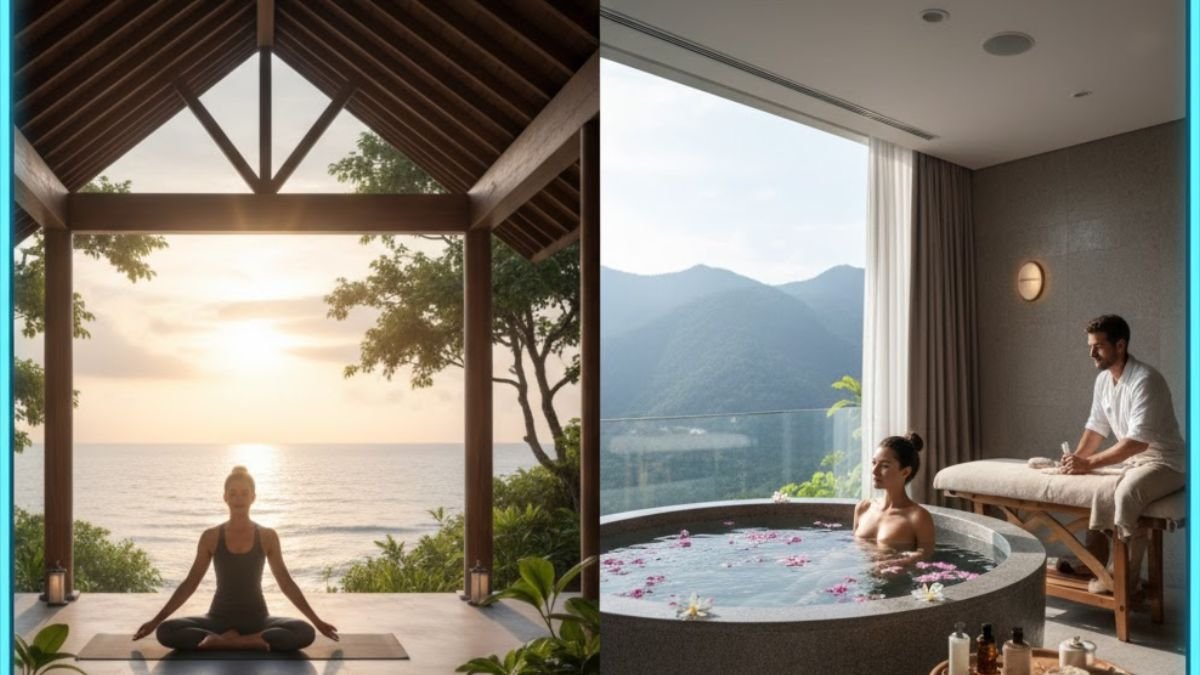
Life today moves very fast. We are always connected to work, social media, and a long list of things to do. In the middle of all this busyness, a new idea of luxury is appearing. It is not about shiny cars or expensive handbags anymore. For many people, the greatest luxury now is a feeling of deep peace. It is having time where you are not rushed. It is feeling truly healthy in your body and mind.
This change in thinking has created a huge rise in something called luxury wellness retreats. These are not ordinary vacations. They are special trips designed to help you reset your life. They offer a break from the noise of everyday life. This article will explore this exciting trend. We will look at what these retreats are really like and why they have become so popular. We will see how the idea of a luxury escape has changed from simply being pampered to becoming a journey of personal transformation.
So, what is it about these places that people are willing to invest in? Why is taking a week for your well-being now considered the ultimate sign of a luxury lifestyle?
When you hear the words “wellness retreat,” you might picture a hotel with a spa. But modern luxury wellness retreats are much more than that. They are immersive experiences. This means they are designed to pull you out of your normal routine and place you into a new, healthier environment. The goal is to help you build habits that you can take home with you.
A typical day at one of these retreats is structured and purposeful. You might start your morning with a meditation session as the sun rises, followed by a yoga class. The food is not just delicious; it is often prepared by chefs who focus on nutrition. Meals are designed to make your body feel good and energized. Throughout the day, you might have workshops on topics like stress management or healthy eating. You could spend your afternoon hiking in nature or trying a new therapy like sound healing. The entire schedule is built to give you a break from making decisions, so your mind can truly rest.
The “luxury” part comes from the quality of the experience. It is not about gold-plated taps. It is the luxury of having expert guides, like yoga instructors and nutritionists, caring for your well-being. It is the luxury of being in a beautiful, quiet location, far from traffic and crowds. It is the luxury of having nothing to worry about except your own health and happiness.
A traditional vacation often involves sightseeing, big meals, and trying to pack in as many activities as possible. Many people come back from these trips feeling tired and needing another vacation to recover. This is where the appeal of a wellness retreat becomes clear. People are not just looking to escape their home; they are looking to escape their stress.
The main reason people choose these retreats is for a reset. Life can leave us feeling drained, both mentally and physically. A wellness retreat offers a dedicated time and space to recharge your batteries in a deep way. It is an active vacation, but the activity is focused on restoration. You are working on your inner self, not just ticking tourist attractions off a list.
Another big reason is personalized care. At a retreat, the programs are often designed to address specific needs. Whether someone is dealing with burnout, wants to improve their fitness, or is just at a crossroads in life, there is likely a retreat tailored for them. This focused attention is something a regular holiday cannot provide. People return home not just with a tan, but with a new perspective and practical tools for a healthier life.
It might seem strange to talk about technology in a place where people go to disconnect. But technology is playing a smart new role in wellness. Many high-end retreats now use technology to enhance your journey, not distract from it.
Upon arrival, some places might offer advanced health assessments. This could include genetic testing, blood analysis, or sleep tracking. This data helps the retreat’s experts create a wellness plan that is unique to you. It moves away from a one-size-fits-all approach to a truly personalized program. During your stay, you might use a wearable device that monitors your stress levels or sleep patterns, giving you real-time feedback.
However, the core of the experience is still about unplugging. Most retreats encourage, and sometimes even require, guests to limit their screen time. The use of technology is carefully controlled. It is used as a tool for understanding your body better, not for scrolling through social media. This balanced approach allows guests to benefit from science while still enjoying the mental break that comes from being offline.
The activities at a wellness retreat are designed to heal and energize both the body and the mind. They go far beyond a typical gym session. The focus is on holistic practices, which means they care for the whole person.
For the body, you will find movement that is mindful and respectful. This includes yoga in its many forms, from gentle Hatha to more dynamic Vinyasa. You might find Pilates classes to build core strength, guided hikes through beautiful landscapes, or Tai Chi sessions at dawn. Many retreats also offer water-based activities like swimming or paddleboarding for a low-impact workout.
For the mind, the activities are about finding calm and clarity. Daily meditation is a cornerstone of most retreats. This could be silent meditation, guided visualizations, or walking meditation. Other popular mind-focused activities include journaling workshops, breathing exercises (pranayama), and sound baths where the vibrations of gongs or singing bowls help to quiet the mind. The combination of these activities helps to reduce anxiety and improve mental focus.
Let’s be honest, these retreats can be expensive. The cost is often much higher than a standard all-inclusive resort holiday. So, is it really worth it? The answer depends on what you value. If you see it as just a holiday, the price might seem high. But if you see it as an investment in your long-term health and happiness, the value changes completely.
Think about what you are really paying for. You are paying for expert knowledge from trained professionals. You are paying for a personalized program that is designed to help you reach your goals. You are paying for high-quality, often organic, food. And most importantly, you are paying for the priceless gift of time—time dedicated entirely to yourself without any distractions.
Many people who go on these retreats describe them as life-changing. They learn skills that help them manage stress for years to come. They break bad habits and start new, healthy ones. They return to their lives feeling more energized, focused, and peaceful. When you consider the long-term benefits for your physical health, mental clarity, and overall quality of life, the investment can seem very justified. It is not a purchase of a thing, but an investment in a better you.
With so many options available, choosing a retreat can feel overwhelming. The key is to remember that it is a very personal choice. What is perfect for one person might be wrong for another. The first step is to ask yourself what you truly need right now.
Are you looking for a strict, boot-camp style retreat to kickstart a fitness journey? Or are you seeking a gentle, relaxing escape to de-stress? Do you want to focus on yoga and meditation, or are you more interested in adventure and nature? Knowing your primary goal will help you narrow down the choices. It is also important to consider the location. Do you prefer a beach, a mountain, or a forest setting?
Next, research the philosophy of the retreat and the credentials of the staff. Read reviews from past guests. Look at the daily schedule carefully to see if it aligns with what you want. Do not be afraid to contact the retreat and ask questions. A good retreat will be happy to help you determine if it is the right fit. The right retreat should feel like it was made for you.
The world of luxury is changing. It is moving from what we own to how we feel. Luxury wellness retreats are at the heart of this change. They offer a sanctuary from our busy lives and a chance to invest in our most valuable asset: our health. These retreats prove that the highest form of luxury today is not a product, but an experience—an experience of peace, purpose, and personal growth.
In a world that is always shouting, the chance to be quiet and still is priceless. So, the next time you think about treating yourself, you might ask a different question. Not “What can I buy?” but “How can I truly recharge?”
1. What is the difference between a wellness retreat and a regular spa?
A regular spa focuses on relaxation and pampering through treatments like massages and facials. A wellness retreat offers a complete program for lifestyle change, including fitness, nutrition, education, and mental health practices, often over several days.
2. Are wellness retreats only for people who are already into yoga?
Not at all! While many retreats offer yoga, they are designed for all levels, including complete beginners. Most retreats have a wide variety of activities, and the focus is on personal growth, not being an expert.
3. What should I pack for a wellness retreat?
Pack comfortable clothes for movement (like yoga pants and t-shirts), a swimsuit, sturdy shoes for hiking, a reusable water bottle, a journal, and any personal items. Most retreats provide a recommended packing list.
4. Can I go to a wellness retreat alone?
Yes, absolutely. Many people go alone, and it can be a very powerful experience for self-discovery. It is a great opportunity to meet like-minded people in a supportive environment.
5. Are wellness retreats suitable for beginners?
Yes, most wellness retreats are very welcoming to beginners. The staff is trained to guide people of all experience levels and to create a non-judgmental, supportive atmosphere.
6. How long do most wellness retreats last?
Retreats can vary in length. Weekend retreats (3 days) are common for a short reset, but many are week-long (7 days) to allow for a deeper, more transformative experience.
7. Is the food at wellness retreats good?
The food is typically delicious, fresh, and nutritious. It is often plant-based and designed by chefs to be both healthy and satisfying, introducing guests to new ways of eating.
8. What if I find it hard to meditate or do some of the activities?
That is completely normal. The instructors are there to guide you, and there is no pressure to be perfect. The experience is about trying new things at your own pace in a safe space.
9. Can a wellness retreat help with burnout?
Yes, addressing burnout is one of the main reasons people attend wellness retreats. The combination of rest, healthy routines, stress-management workshops, and professional support is very effective for recovery.
10. Do I have to participate in every activity?
While participation is encouraged to get the full benefit, most retreats are flexible. It is your time, and you are usually free to skip an activity if you need rest or quiet time for yourself.